Residential Glass Replacement Options for Charleston Homes: Tempered, Double-Pane, and Low-E Explained
Choosing the right glass for your home matters more than most homeowners realize. Understanding residential glass replacement options can save you money, improve comfort, and protect your family during a storm. Charleston, SC, sits on the coast, where intense summer heat, high humidity, and the occasional hurricane make glass selection especially important. This article breaks down three common glass types (tempered, double-pane, and Low-E) so you can make a confident decision before your next project.
What Is Tempered Glass and When Do Charleston Homes Need It?
Tempered glass is a safety glass option that belongs in specific locations around your home. It goes through a heating and rapid-cooling process that makes it roughly four times stronger than standard annealed glass. When it breaks, it shatters into small, rounded pebbles rather than sharp shards, significantly lowering the risk of serious injury.
Where Tempered Glass Is Typically Required
Building codes in South Carolina generally require tempered glass where breakage poses a higher safety risk. Common locations include shower and tub enclosures, sliding glass and patio doors, sidelights and panels adjacent to entry doors, windows within 18 inches of the floor, and any glazing near a staircase or landing.
If your home was built before modern code updates, some of these areas may still have standard glass. Residential glass replacement in those spots can bring your home up to current safety standards and may matter for homeowner's insurance purposes.
How Does Double-Pane Glass Help in Charleston's Climate?
Double-pane glass can make a noticeable difference in a coastal climate. Two layers of glass are sealed together with a small gap, typically filled with argon or krypton gas, creating an insulating barrier that slows heat transfer and reduces the effect of outdoor humidity on your indoor air.
Key Benefits of Double-Pane Windows for Coastal Homes
Charleston summers regularly push temperatures into the upper 90s. Single-pane windows do very little to block that heat load. Double-pane units can help your air conditioning system work less hard, which may lower energy bills over time.
In older Charleston neighborhoods like Harleston Village or Wagener Terrace, noise reduction is another benefit. Two panes with an insulating gap can reduce street noise entering your home.
Condensation is also a concern near the Ashley River, the Wando River, or in low-lying areas with high ambient moisture. With double-pane glass, the interior surface stays closer to room temperature, reducing condensation on the inside of your windows.
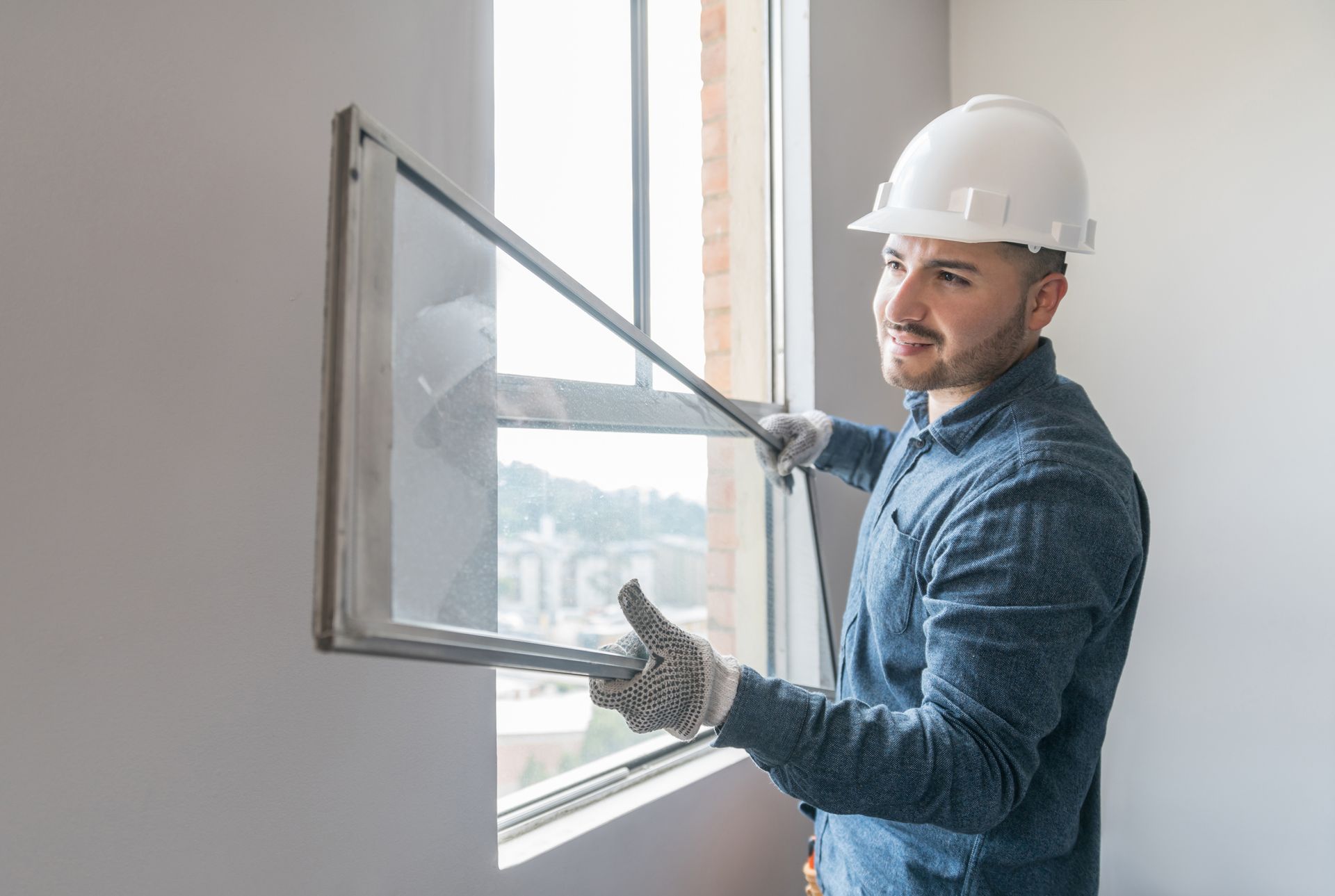
If you notice fogging or cloudiness between the panes of an existing double-pane window, the seal has failed and the insulating gas has escaped. That window likely needs residential glass replacement rather than repair.
Low-E Glass Explained
Low-E stands for low-emissivity. The glass has a microscopically thin metallic coating that reflects infrared heat while still allowing visible light through. It does not make your home darker; it simply manages how heat energy moves through the glass.
Why Low-E Glass Makes Sense for Charleston Homeowners
South Carolina receives intense solar radiation for most of the year. Homes along East Cooper, James Island, and Johns Island can face significant solar heat gain through south- and west-facing windows. Low-E glass reduces that heat gain and helps keep interior spaces cooler without blocking natural light.
There are two main types of Low-E coatings. Hard-coat Low-E is more durable and typically used in single-pane applications. Soft-coat Low-E performs better at blocking heat and is most often sealed between the panes of a double-pane unit. For Charleston's hot, humid climate, soft-coat Low-E in a double-pane configuration is often the most effective combination.
Low-E glass can also protect interior furnishings by filtering out a portion of ultraviolet light, which may slow fading on flooring, furniture, and fabrics over time.
Does Low-E Glass Meet Hurricane Code Requirements in Charleston?
Low-E glass alone does not meet hurricane impact requirements. For coastal properties in FEMA flood zones or areas subject to South Carolina wind-zone codes, impact-rated glass is a separate consideration. Some manufacturers produce Low-E coatings on impact-rated laminated glass, which can provide both energy performance and storm protection. A qualified glass professional can help you determine what your specific property requires.
Choosing the Right Glass Type for Your Home
No single glass type is right for every window in every home. Consider the location of the glass, the window's orientation, and your primary goals, whether safety, energy savings, noise reduction, or storm resilience. In many cases, the best solution combines features, such as a double-pane unit with a Low-E coating in tempered glass for a patio door.
Residential glass replacement serving Charleston, SC, homeowners should account for local building codes, the coastal environment, and the age of your existing frames. Consulting with a local professional before purchasing glass can help you avoid costly mistakes and ensure your installation meets current standards.
Get Expert Guidance from a Team That Knows the Lowcountry
A Morgan Glass serves the Charleston area with residential glass replacement, including tempered safety glass, double-pane insulated units, and Low-E glass options. The team can help you identify the right product for each location in your home and handle the installation with care.
To learn more, visit the
home glass replacement page or contact the team to request a free quote. Call
(843) 851-8161 to speak with someone directly.